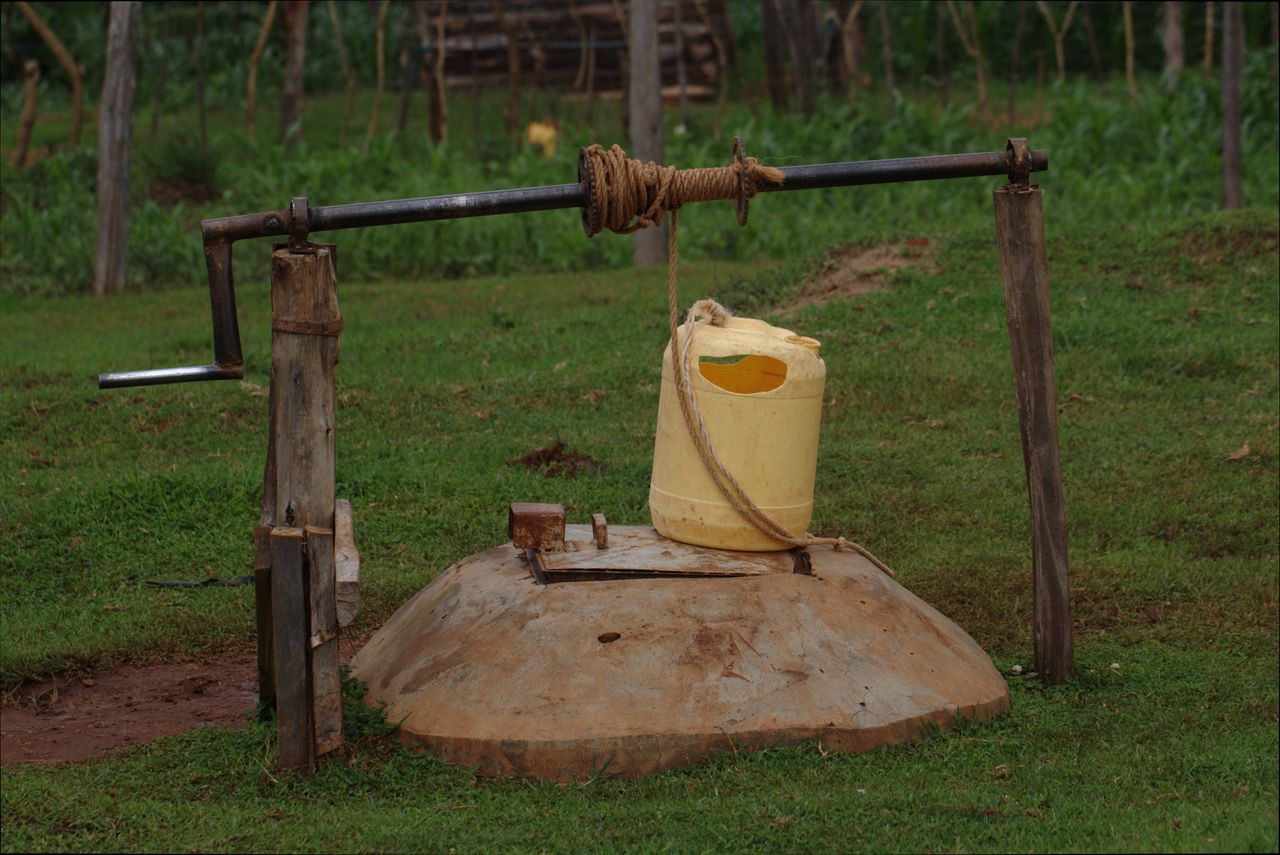
Kenya · Pipeline in progress
Nakuru Highlands Borehole
A 180-metre borehole and solar pump house replacing a four-hour walk to the river below the escarpment.
$31,660 raised
of $42,000
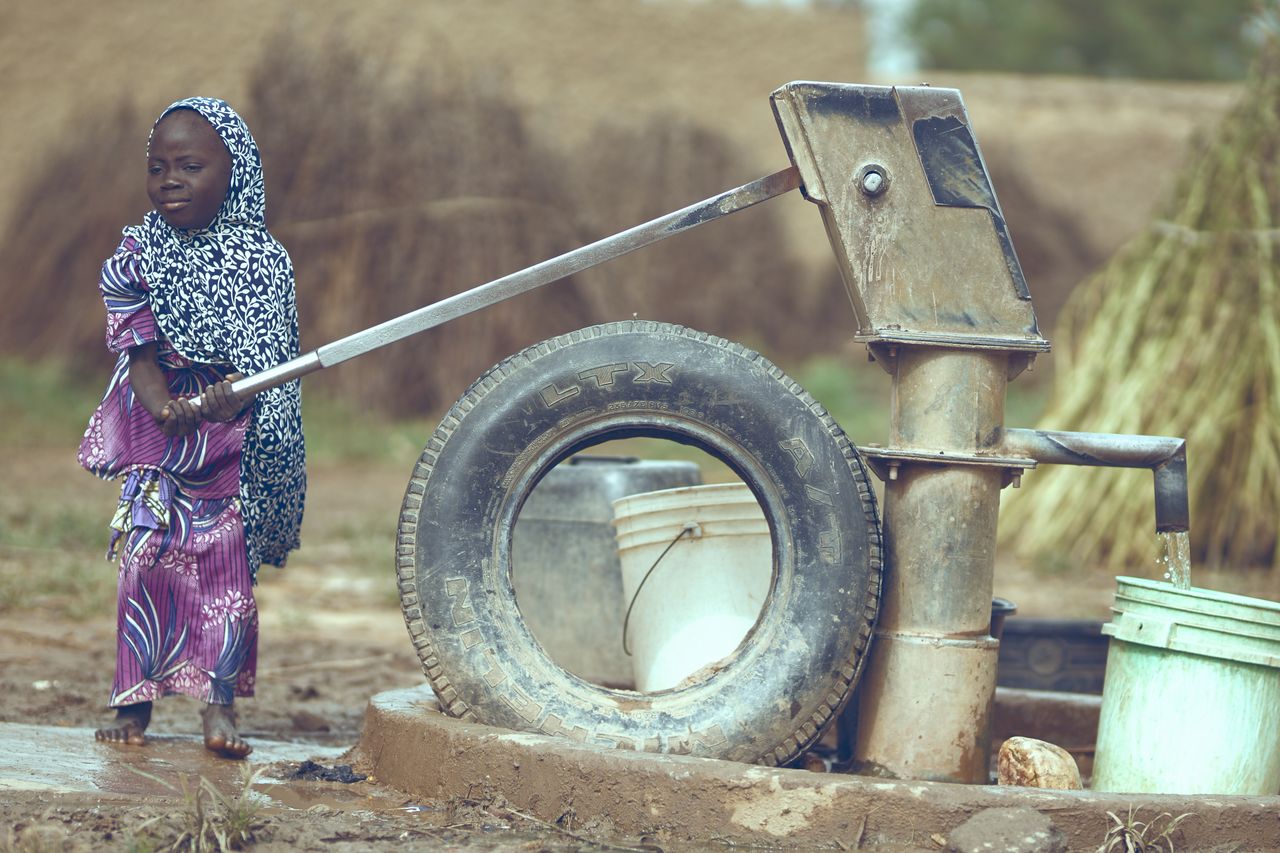
Wellspring · Field report, November 2026
We build wells, pipelines and filters with the villages that will keep them running — then publish what each one cost, who maintains it, and whether the water is still flowing a year later.
412
Water points built or rehabilitated since 2011
186,400
People with water within a ten-minute walk
2.1M
Litres of safe water drawn every single day
94%
Still flowing when we return three years later
Field notes
Anyone can drill a hole and photograph the water coming up. The hard part begins the following March, when a cup seal perishes and the nearest spanner is ninety minutes away. Roughly a third of the hand pumps installed in rural Africa over the last forty years stand broken today — not because the engineering failed, but because nobody was paid, trained or trusted to look after them.
So we start at the other end. Before a survey team arrives, a village water committee is elected and a tariff is agreed — usually the price of a bar of soap each month. Two local mechanics are trained and kept on a call list. Spare parts are stocked at the clinic. Only then do we drill.
It makes our projects slower and our photographs less dramatic. It also means that when our monitoring team knocked on 1,340 doors across six countries this year, 94 per cent of the water points they came to see were still running.
“The engineers left in June. The pump is still working because it is ours, and because Esther has the spanner.”
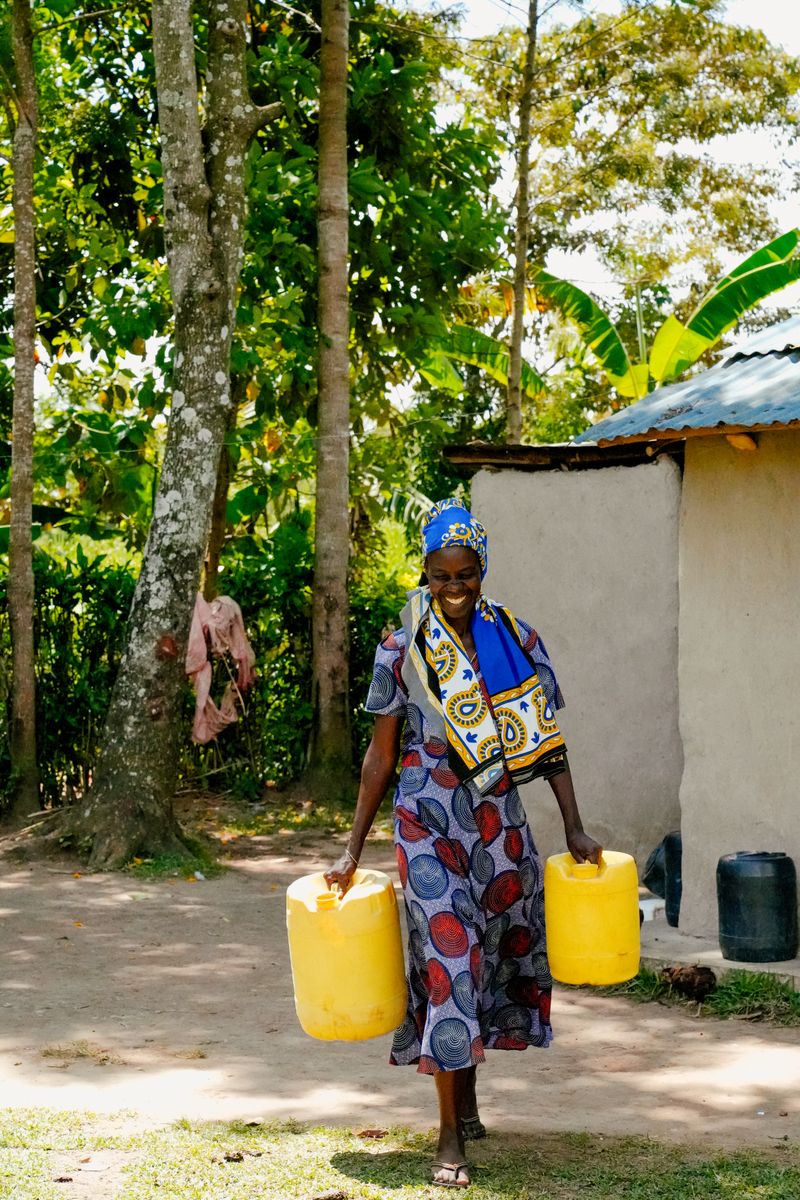
Subukia, Nakuru County. The walk to the river takes four hours in the dry season — the new standpipes will cut it to six minutes.
The programme
Filter by country, then open any project to read how it began, who is building it, and exactly how far the funding has come.
6 projects
Kenya · Pipeline in progress
A 180-metre borehole and solar pump house replacing a four-hour walk to the river below the escarpment.
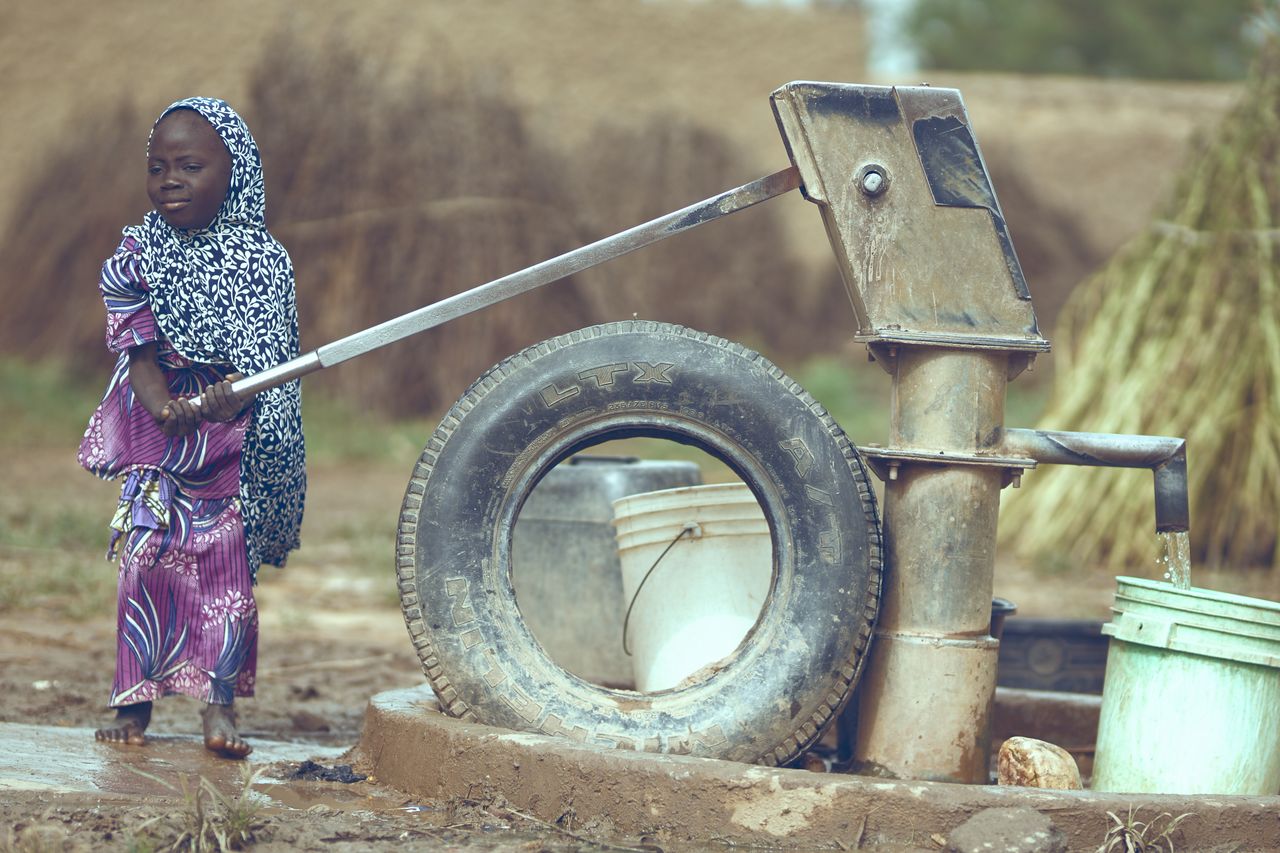
Ghana · Nearly funded
Eleven India Mark II hand pumps rehabilitated with local mechanics trained to keep them running for a decade.
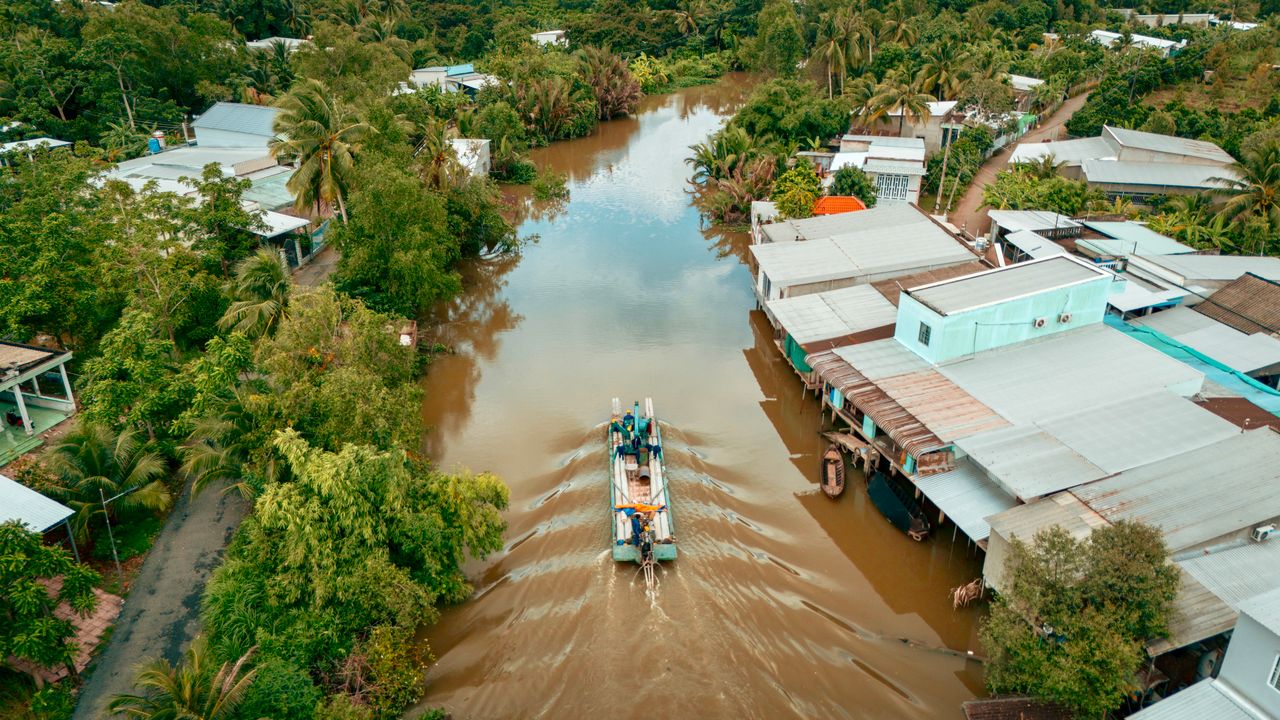
Cambodia · Production started
1,800 ceramic household filters for riverside families whose wells turn saline for five months of the year.
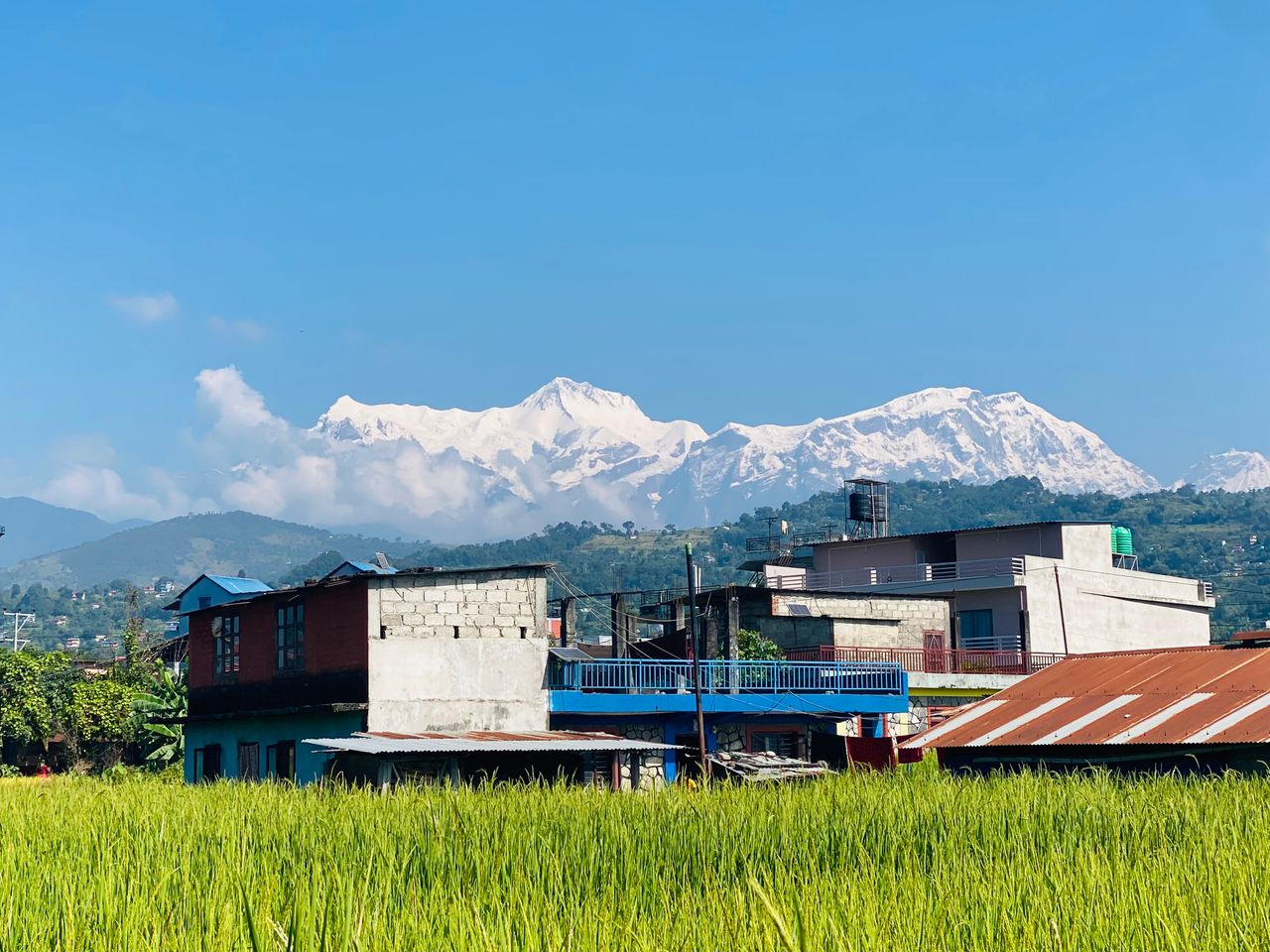
Nepal · Final kilometre
A gravity-fed pipeline from a protected mountain spring to 320 households and a primary school of 480 children.
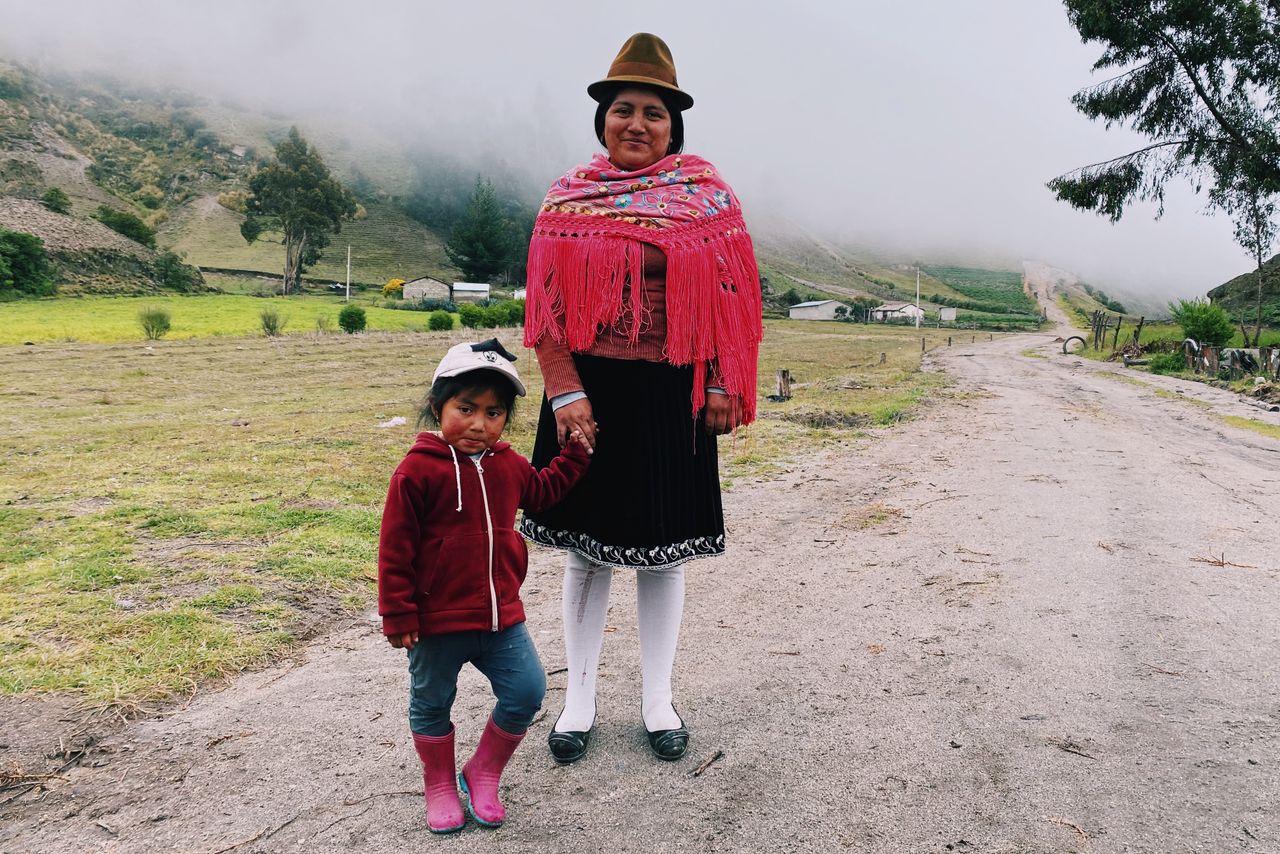
Ecuador · 22 of 70 built
Roof catchment and 16,000-litre cisterns for high-altitude farms where the glacier melt has thinned year on year.
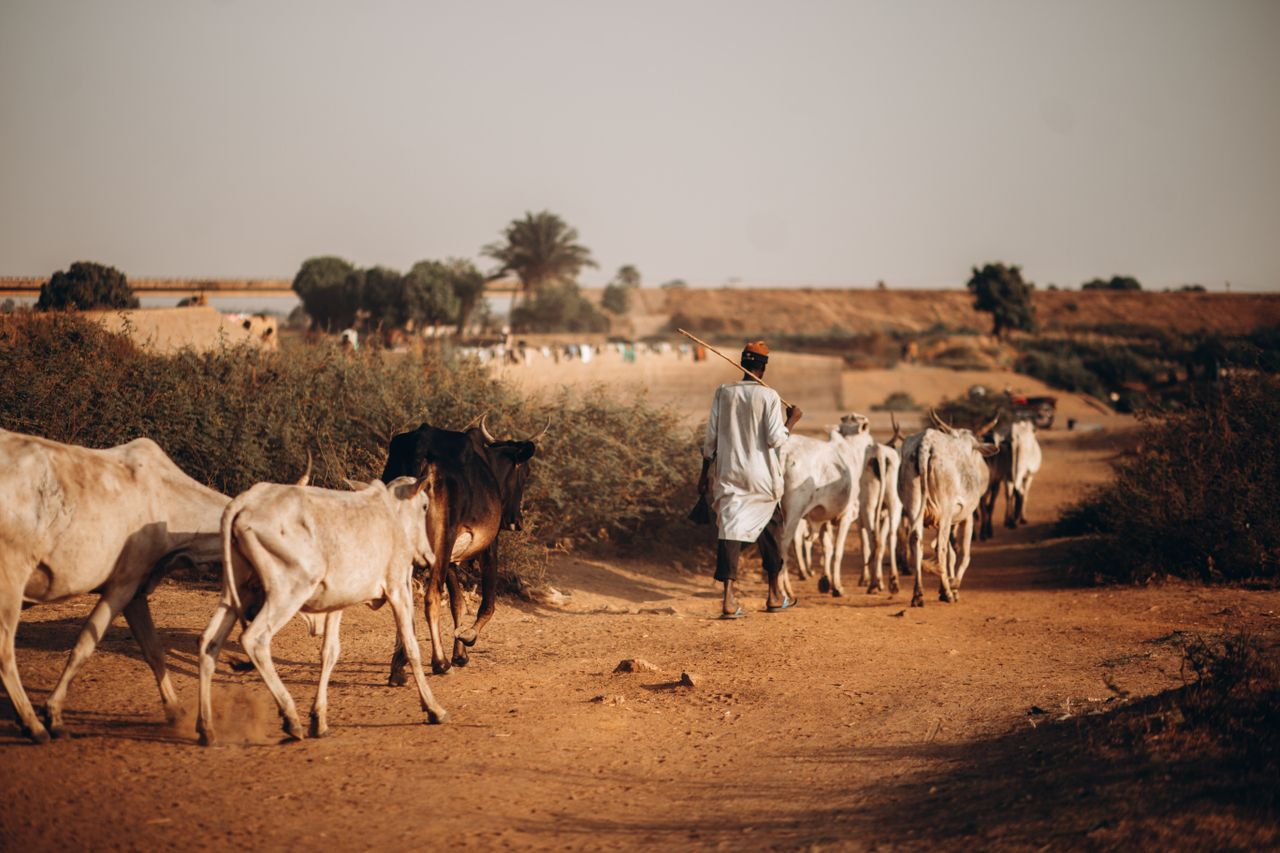
Niger · 2 of 6 pumping
Six solar-powered pump stations along a 40-kilometre herding corridor, with cattle troughs set apart from drinking taps.
Your gift, itemised
$25
One ceramic filter, four years of safe water for a family of six in Prey Veng.
$60
Spanners, cup seals and rods so a village pump never waits ninety minutes for help.
$120
The slab and soak pit that keep a new borehole from contaminating itself.
$250
Rig, crew and fuel for one of the fourteen days a 180-metre borehole takes.
Test mode — nothing is charged, and your gift is recorded for the team to see.
Upcoming events
Tickets at the door or by email
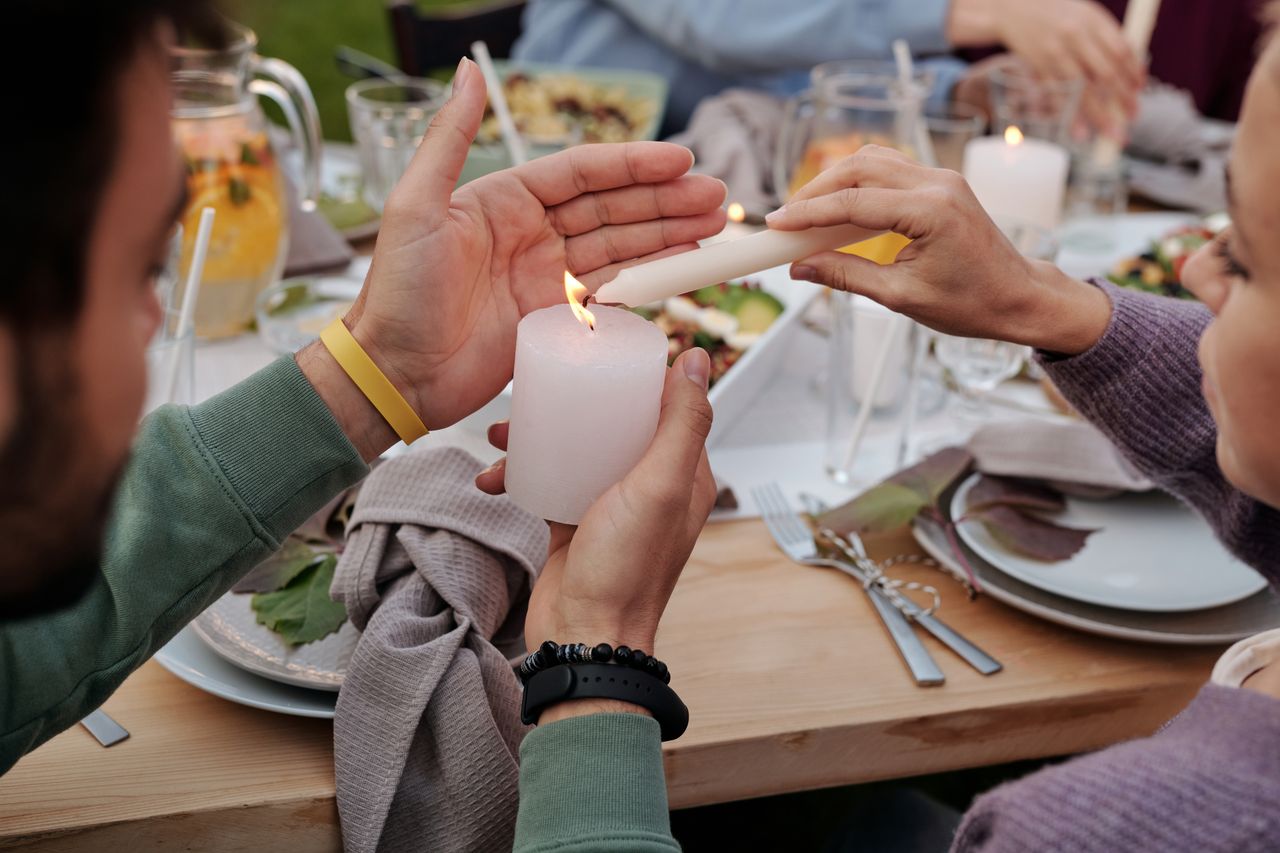
Friday 6 February 2027
St Nicholas Market Hall, Bristol
Ninety guests, one seven-metre table, and a Volta Region menu cooked by Ama Mensah — every ticket buys a mechanic's toolkit.
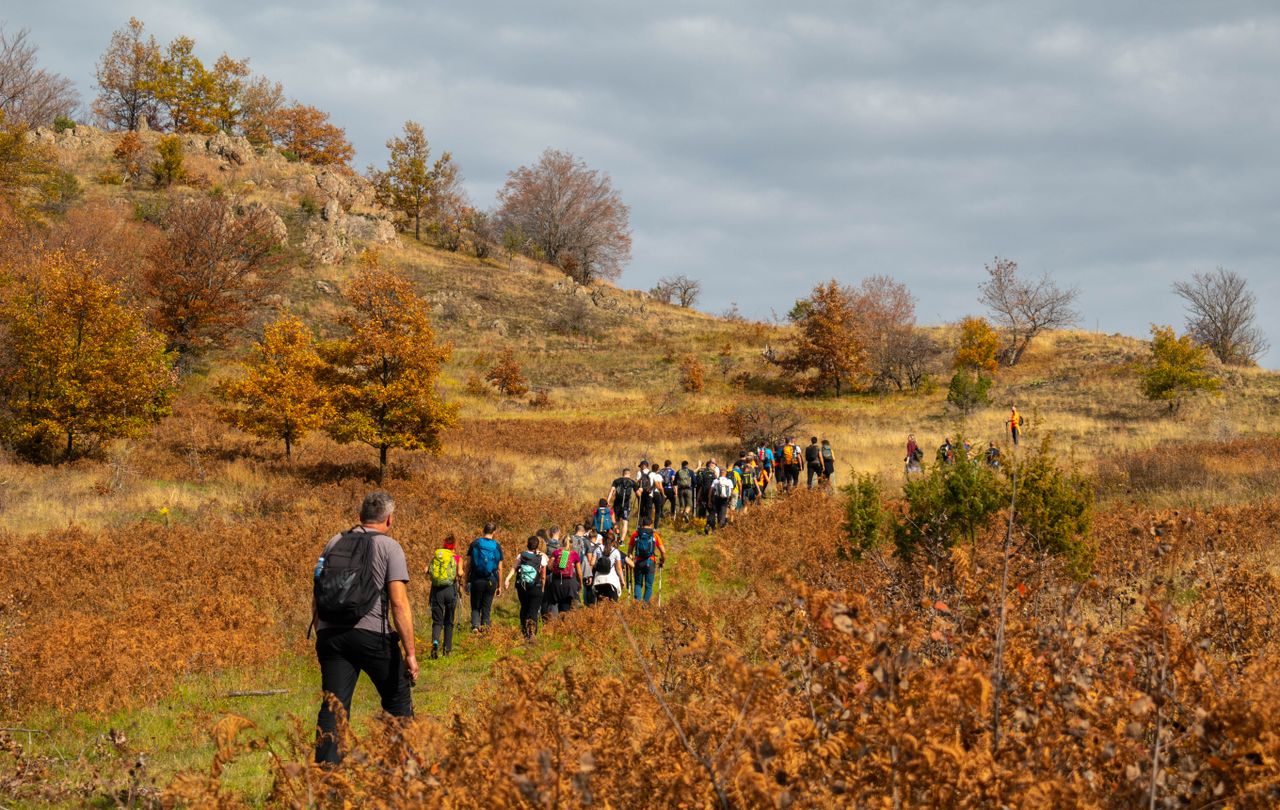
Sunday 22 March 2027
Rivelin Valley, Sheffield
A sponsored 12-kilometre walk carrying a full jerrican, the way the women of Subukia do it twice a day.
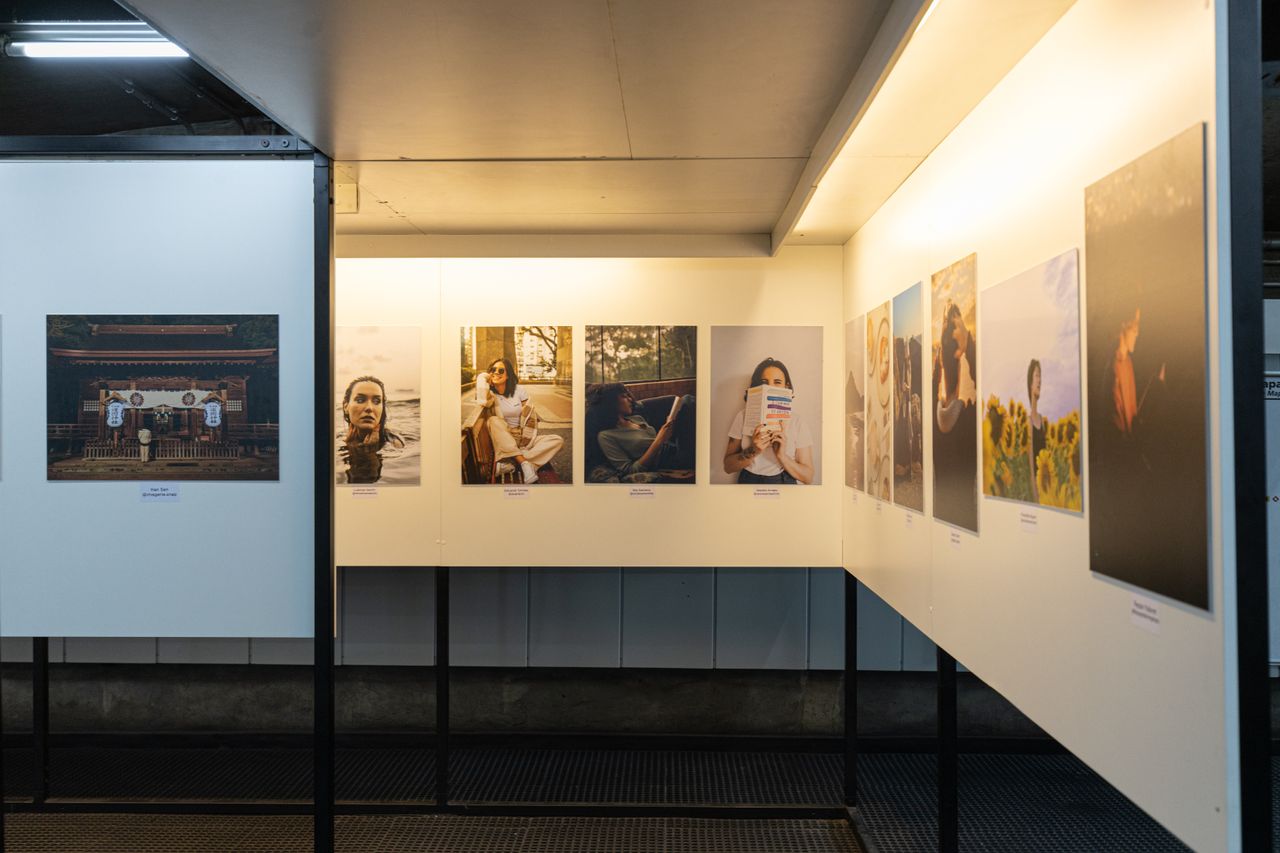
Thursday 14 May 2027
Rich Mix, Shoreditch, London
Forty prints from nine countries, sold on the night, with the drilling crew from Tahoua joining by video link.
Hosting your own evening? The volunteer form below is the place to say so.
Volunteer
Some of them surveyed springs in the Terai. One ran a supper club in Bristol for two years and raised enough for a borehole. There is no small contribution here.
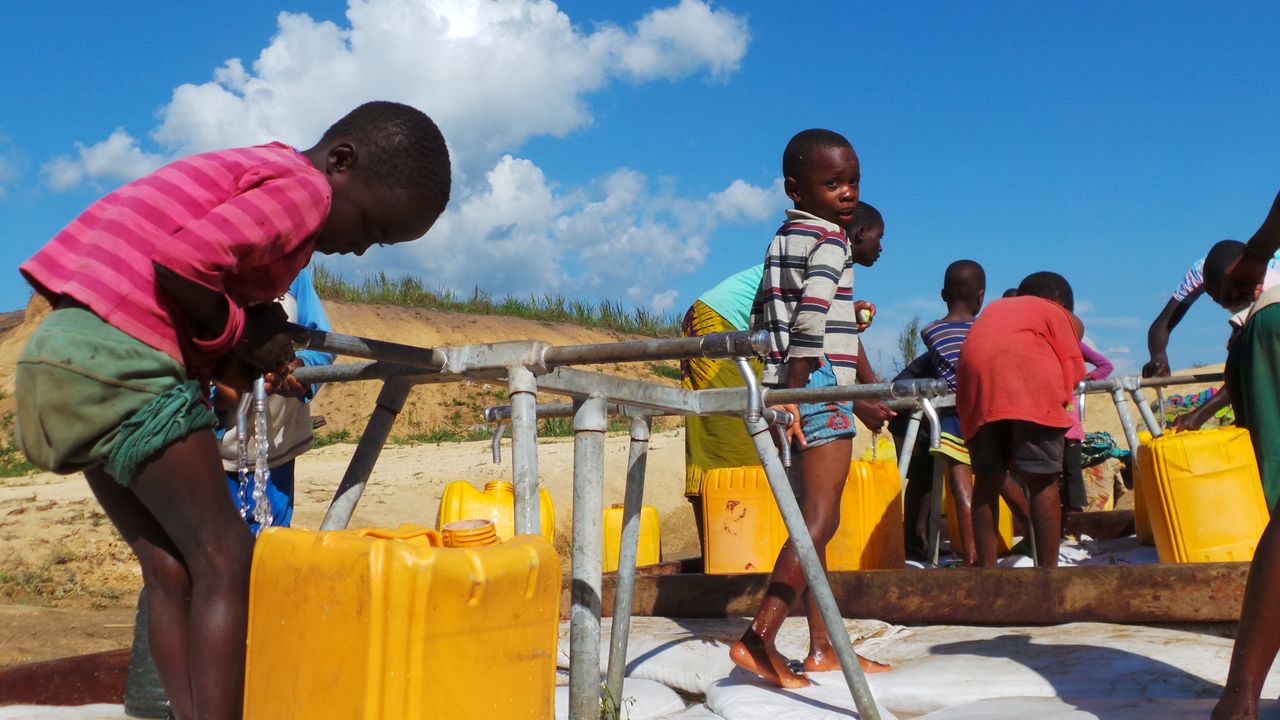
Surveys, translation, pump mechanics, supper clubs. Tell us what you can do and a field coordinator writes back within three working days.